How We Turn Waste into Treasure
Step 1 - Collect
We take polypropylene (PP) - the kind most curbside recycling programs can’t handle -
comes from households (like food containers, yogurt tubs) and hospitals as clean medical waste.
Step 2 - Sort
Each piece is thoroughly inspected and washed if it has grease or residue.
Then it’s sorted by color and type.
Step 3 - Shred
The plastics are fed into a shredding machine that cuts them into small flakes, making them easier to melt and repurpose into new forms.
Step 4 - Mold
We choose color combinations and load the shredded plastic into the injection machine, where it’s heated to around 185°C for several minutes.
Once melted, the mix is injected into the mold to take its new shape.
Step 5 - Release
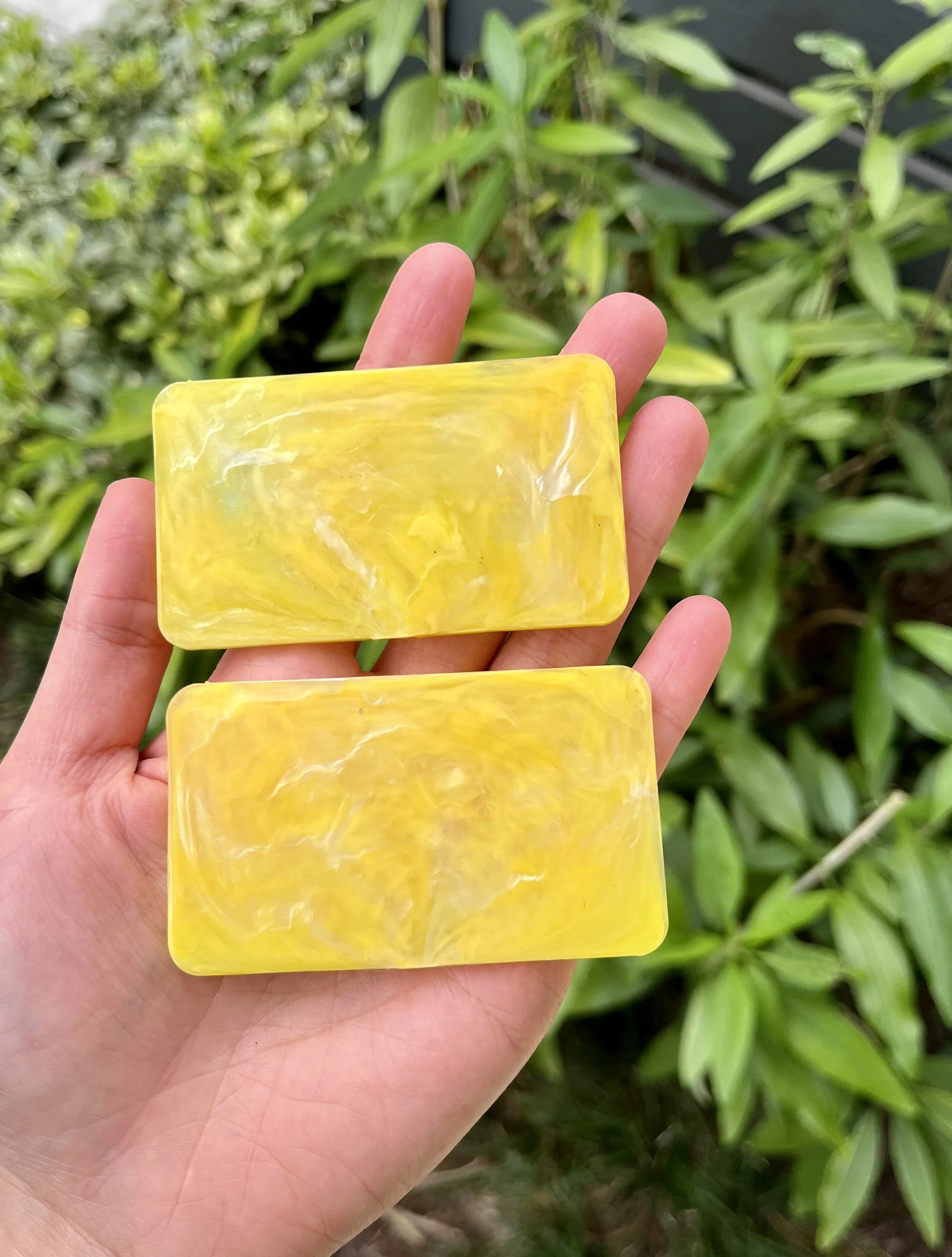
Once the mold cools, it’s released to reveal the finished piece.
Edges are smoothed by hand, but never sanded to avoid creating microplastics.
Step 6 - Reuse
Each piece is made to be used again and again — keeping waste out of landfill and reminding us that plastic can have more than one life.
Watch video to see the full process from shredding, melting and molding the name tags
Shop Reusable Name Tags
Reusable name tags made from 100% recycled plastic
FAQs
How do you get the colors on the name tags?
All the colors come naturally from the plastic waste itself. No dyes, pigments, or additives are added. The swirls and textures you see are created by mixing different types of discarded plastics, so every piece turns out a little different.
What happens to scraps or mistakes during production?
Nothing goes to waste! Any offcuts or test pieces are collected, shredded, and melted again to make new products. Even tiny bits left on the workspace are carefully cleaned up and added back into the loop.
Why do you only use polypropylene (PP)?
Polypropylene, or #5 plastic, is one of the most common types of plastic — found in food containers, caps, and medical packaging — but it’s also one of the least recycled.
Most local recycling facilities only take #1 (PET) and #2 (HDPE) plastics, meaning PP often ends up in landfill. So I decided to focus on giving this overlooked material a second life.
What if my name tag breaks or I don’t want it anymore?
Please send it back! I’m building a take-back program so you can return any Unwaste product you’re done with. I’ll shred and remold it into something new — keeping the plastic in use and out of landfill.
Are you only making name tags?
Right now, name tags are my main focus. But I’m always experimenting with new ideas for what to make next. If you’ve got suggestions or something you’d love to see made from recycled plastic, please share them!
How can I make products myself?
I currently work out of the Peninsula Precious Plastics space, using their machines based on designs from Precious Plastics. If you’re curious about making your own, check out their website — they’ve got free blueprints and beginner guides to get you started!